Ledger Crypto Wallet: Hardware Wallet Market Comparison
Ledger Crypto Wallet comparison examines Ledger vs Trezor and Ledger vs KeepKey through crypto hardware wallet comparison methodology for private keys protection across competing cold storage solutions.

Ledger Crypto Wallet comparison examines Ledger vs Trezor and Ledger vs KeepKey through crypto hardware wallet comparison methodology for private keys protection across competing cold storage solutions. The market analysis covers security architecture, asset support, pricing, and user experience differences affecting hardware wallet selection. Understanding competitive positioning enables informed device selection for crypto security implementation.
Hardware wallet comparison addresses market alternatives beyond Ledger product line for users evaluating multiple options. Each manufacturer offers distinct approaches to secure element implementation and feature sets. This documentation covers competitive analysis methodology for Ledger hardware wallet market positioning.
This comparison overview covers security, asset support, pricing, and user experience for hardware wallet selection via USB-C or Bluetooth devices across all supported coins.
Security Comparison
Security Comparison for Ledger Crypto Wallet examines Ledger vs Trezor and Ledger vs KeepKey through crypto hardware wallet comparison security including secure element vs competitors architecture, firmware verification differences methodology, and PIN & recovery phrase handling approaches for private keys protection evaluation. The comparison addresses cold storage security differentiation. Security ensures hardware wallet informed selection.
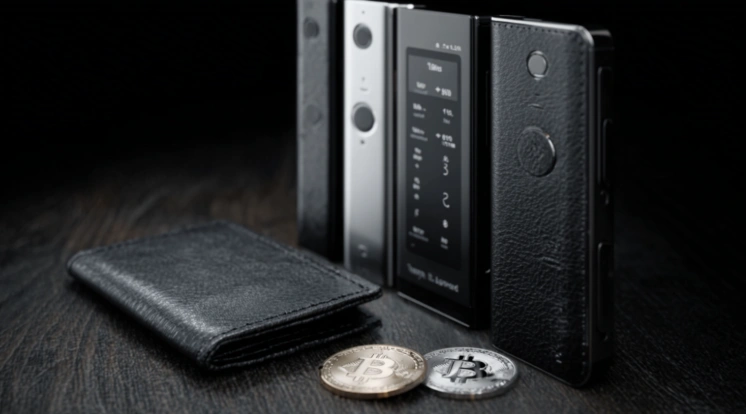
Security architecture varies significantly across manufacturers for hardware wallet users.
Secure Element vs Competitors
Secure element vs competitors chip architecture:
| Security Element | Ledger | Trezor | KeepKey |
|---|---|---|---|
| Chip type | CC EAL5+ Secure Element | General MCU | General MCU |
| Certification | Banking-grade | No formal | No formal |
| Key isolation | Dedicated chip | Software | Software |
| Tamper resistance | Hardware level | Limited | Limited |
| Side channel | Protected | Vulnerable | Vulnerable |
Secure element vs competitors establishes Ledger Crypto Wallet security differentiation. The Ledger vs Trezor secure element ensures crypto hardware wallet comparison via USB-C across all supported coins.
Firmware Verification Differences
Firmware verification differences software security:
Ledger: Closed source, cryptographically signed. Trezor: Open source, community auditable. KeepKey: Open source firmware. Ledger: Genuine check on connection. Trezor: Hash verification available. KeepKey: Basic verification. Ledger: Most rigorous validation.
Firmware verification differences presents Ledger vs KeepKey firmware approaches. The crypto hardware wallet comparison firmware supports cold storage via USB-C or Bluetooth unlike unverified alternatives across all supported coins.
PIN and Recovery Phrase Handling
PIN & recovery phrase handling access security:
Handling comparison: Ledger PIN: 4-8 digits on device. Trezor PIN: On-screen randomized. KeepKey: Device-based entry. Ledger: 3 attempts before wipe. Trezor: Increasing delays. KeepKey: Limited attempts. All: 24-word BIP39 seeds. Ledger: On-device only generation. Trezor: On-device generation. KeepKey: On-device generation.
PIN & recovery phrase handling completes Ledger Crypto Wallet access security comparison. The Ledger vs Trezor PIN ensures private keys via USB-C.
Asset Support Comparison
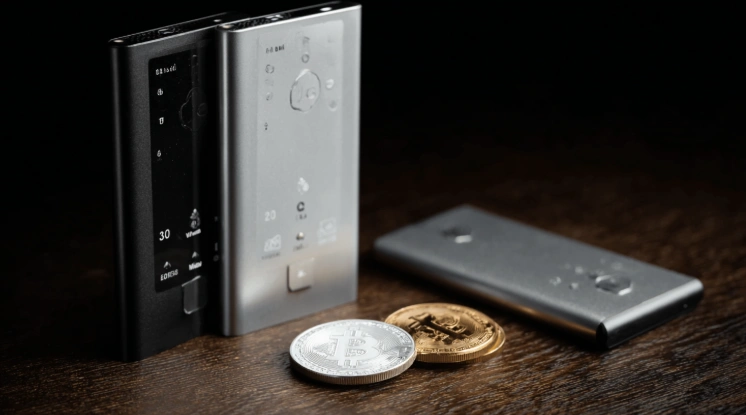
Asset Support Comparison for Ledger Crypto Wallet examines Ledger vs Trezor and Ledger vs KeepKey through crypto hardware wallet comparison asset coverage including altcoins supported breadth, NFT compatibility assessment, and multi-asset management capability for private keys portfolio diversity. The comparison addresses cold storage asset coverage. Assets ensure hardware wallet portfolio compatibility.
Asset support varies across manufacturers for hardware wallet users.
Altcoins Supported
Altcoins supported coverage comparison:
| Asset Coverage | Ledger | Trezor | KeepKey |
|---|---|---|---|
| Total assets | 5500+ | 1000+ | 7000+ |
| Native apps | Extensive | Moderate | Limited |
| Third-party | Broad | Good | Extensive |
| New additions | Regular | Regular | Variable |
| DeFi support | Strong | Moderate | Growing |
Altcoins supported establishes Ledger Crypto Wallet asset breadth. The Ledger vs Trezor altcoins ensures crypto hardware wallet comparison via USB-C across all supported coins.
NFT Compatibility
NFT compatibility digital collectibles:
Ledger: Native Ledger Live support. Trezor: Via third-party wallets. KeepKey: Limited NFT support. Ledger: On-device NFT display. Trezor: Web interface only. KeepKey: External wallets required. Ledger: Most integrated NFT experience.
NFT compatibility presents Ledger vs KeepKey NFT capability. The crypto hardware wallet comparison NFT supports cold storage via USB-C or Bluetooth.
Multi-Asset Management
Multi-asset management portfolio handling:
Management comparison: Ledger: Unified Ledger Live. Trezor: Trezor Suite application. KeepKey: ShapeShift integration. Ledger: Single interface all assets. Trezor: Comprehensive dashboard. KeepKey: Exchange focused. All: Multiple account support. Ledger: Best portfolio tracking. Trezor: Good overview features. KeepKey: Basic management.
Multi-asset management completes Ledger Crypto Wallet asset capability. The Ledger vs Trezor management ensures private keys via USB-C.
Price Comparison
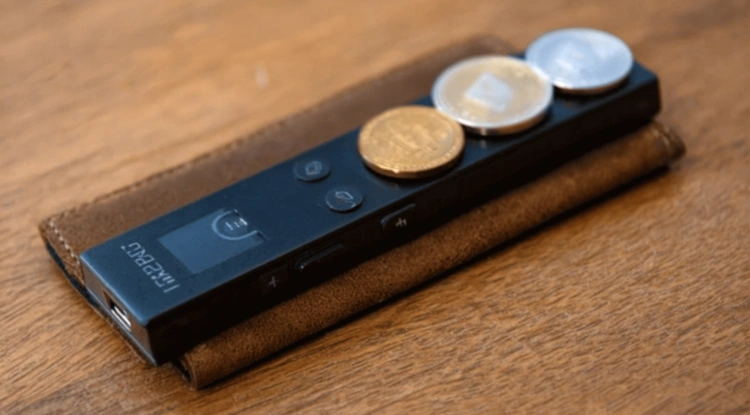
Price Comparison for Ledger Crypto Wallet examines Ledger vs Trezor and Ledger vs KeepKey through crypto hardware wallet comparison pricing including Ledger Nano X cost assessment, Ledger Nano S Plus cost positioning, and value vs alternatives analysis for private keys investment context. The comparison addresses cold storage pricing differentiation. Pricing ensures hardware wallet budget planning.
Pricing varies across manufacturers for hardware wallet users.
Ledger Nano X Cost
Ledger Nano X cost premium positioning:
Pricing Element: Nano X. Retail price $149 USD — Premium tier. Bluetooth — Included, mobile access. Battery 100mAh — Portable use. Storage 2 MB — ~100 apps. Warranty 2 years — Coverage.
Ledger Nano X cost establishes Ledger Crypto Wallet premium positioning. The Ledger vs Trezor pricing ensures crypto hardware wallet comparison via USB-C across all supported coins.
Ledger Nano S Plus Cost
Ledger Nano S Plus cost entry positioning: Retail price: $79 USD. USB-C connectivity only. Computer powered. Storage: 1.5 MB. Same secure element. 2-year warranty. Entry-level value.
Ledger Nano S Plus cost presents Ledger vs KeepKey entry comparison. The crypto hardware wallet comparison entry supports cold storage via USB-C or Bluetooth unlike budget KeepKey alternatives across all supported coins.
Value vs Alternatives
Value vs alternatives market positioning:
Value comparison: Ledger Nano S Plus: $79 USD. Ledger Nano X: $149 USD. Trezor One: ~$69 USD. Trezor Model T: ~$219 USD. KeepKey: ~$49 USD. Ledger: CC EAL5+ certification. Trezor: Open source premium. KeepKey: Budget positioning. Ledger: Best security certification. Value: Security per dollar.
Value vs alternatives completes Ledger Crypto Wallet pricing analysis. The Ledger vs Trezor value ensures private keys via USB-C.
User Experience Comparison
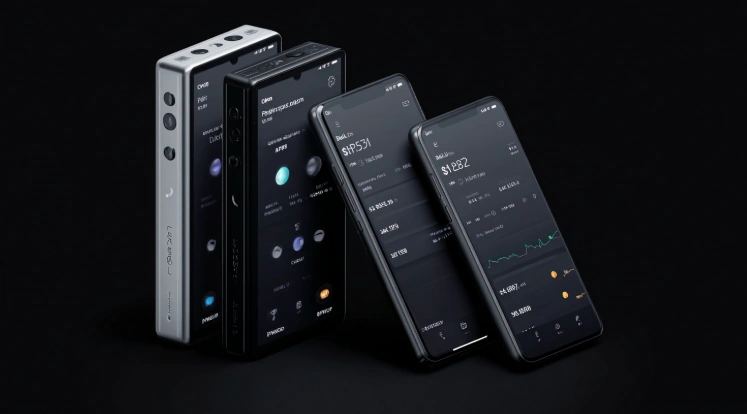
User Experience Comparison for Ledger Crypto Wallet examines Ledger vs Trezor and Ledger vs KeepKey through crypto hardware wallet comparison usability including setup simplicity assessment, Ledger Live interface evaluation, and mobile & desktop usability for private keys operational comfort. The comparison addresses cold storage user experience. Usability ensures hardware wallet practical selection.
User experience varies across manufacturers for hardware wallet users.
Setup Simplicity
Setup simplicity initialization comparison:
| Setup Aspect | Ledger | Trezor | KeepKey |
|---|---|---|---|
| Time required | 20-30 min | 15-25 min | 15-20 min |
| Guided process | Ledger Live | Trezor Suite | ShapeShift |
| Complexity | Moderate | Moderate | Simple |
| Documentation | Extensive | Good | Basic |
| Mobile setup | Supported | Limited | No |
Setup simplicity establishes Ledger Crypto Wallet initialization experience. The Ledger vs Trezor setup ensures crypto hardware wallet comparison via USB-C across all supported coins.
Ledger Live Interface
Ledger Live interface application quality: Unified portfolio dashboard. Transaction management. App installation center. NFT gallery integrated. Staking functionality. Exchange integration. Regular updates.
Ledger Live interface presents Ledger vs KeepKey software quality. The crypto hardware wallet comparison interface supports cold storage via USB-C or Bluetooth.
Mobile and Desktop Usability
Mobile & desktop usability platform access:
Usability comparison: Ledger: Full mobile app. Trezor: Android app limited. KeepKey: No mobile app. Ledger: Bluetooth mobile (Nano X). Trezor: USB only. KeepKey: USB only. All: Full desktop support. Ledger: Best mobile experience. Trezor: Desktop focused. KeepKey: Desktop only.
Mobile & desktop usability completes Ledger Crypto Wallet usability comparison. The Ledger vs Trezor usability ensures private keys via USB-C.
For hot wallet comparison, see our Ledger vs Hot Wallets. For reviews, visit Ledger Wallet Reviews & User Feedback.