Ledger Crypto Wallet: Cold Storage vs Hot Wallet Analysis
Ledger Crypto Wallet comparison against hardware vs software wallets examines cold vs hot wallet security through crypto storage comparison methodology for private keys protection across fundamentally different storage approaches.
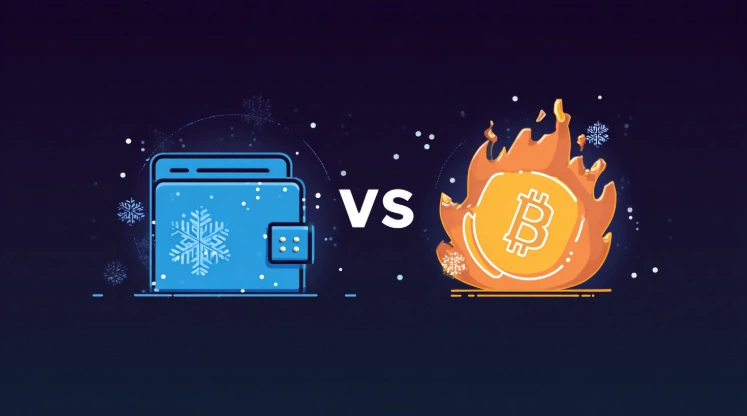
Ledger Crypto Wallet comparison against hardware vs software wallets examines cold vs hot wallet security through crypto storage comparison methodology for private keys protection across fundamentally different storage approaches. The analysis covers security advantages, usability tradeoffs, cost considerations, and recommended use cases affecting storage selection. Understanding storage type differences enables appropriate wallet selection for crypto security requirements.
Storage methodology comparison addresses software wallet alternatives popular for convenience and accessibility reasons. Each approach offers distinct security profiles and usability characteristics. This documentation covers storage type analysis methodology for Ledger hardware wallet versus hot wallet evaluation.
This storage comparison overview covers security advantages, usability tradeoffs, cost analysis, and use cases for hardware wallet versus software wallet assessment via USB-C or Bluetooth devices across all supported coins.
Security Advantages
Security Advantages for Ledger Crypto Wallet examine hardware vs software wallets through cold vs hot wallet security including offline storage protection methodology, malware & phishing resistance capability, and private key control sovereignty for crypto storage comparison security context. The advantages address private keys fundamental protection. Security ensures cold storage selection justification for hardware wallet users.
Security fundamentally differs between hardware and software approaches.
Offline Storage Protection
Offline storage protection isolation comparison:
| Protection Factor | Ledger | Hot Wallet |
|---|---|---|
| Key storage | Offline secure element | Online device |
| Network exposure | Zero | Continuous |
| Remote attacks | Impossible | Possible |
| Attack surface | Minimal | Extensive |
Offline storage protection establishes Ledger Crypto Wallet security differentiation. The hardware vs software wallets offline ensures cold vs hot wallet security via USB-C across all supported coins.
Malware and Phishing Resistance
Malware & phishing resistance threat comparison:
Resistance comparison: Ledger: Keylogger immune. Hot wallet: Keylogger vulnerable. Ledger: Clipboard hijack protected. Hot wallet: Clipboard vulnerable. Ledger: On-device verification. Hot wallet: Screen display only. Ledger: Superior threat resistance.
Malware & phishing resistance presents Ledger vs hot wallet threat handling. The crypto storage comparison resistance supports cold storage via USB-C or Bluetooth.
Private Key Control
Private key control sovereignty comparison:
Control comparison: Ledger: Keys in secure element. Hot wallet: Keys in software. Ledger: Never network exposed. Hot wallet: Online environment. Ledger: Physical confirmation required. Hot wallet: Software approval. Both: Self-custody option. Ledger: Maximum isolation.
Private key control completes Ledger Crypto Wallet security comparison. The hardware vs software wallets control ensures private keys via USB-C.
Usability Tradeoffs
Transaction Speed
| Operation | Ledger | Hot Wallet |
|---|---|---|
| Initiate | Ledger Live | In-app |
| Confirm | Physical buttons | Touch/tap |
| Sign | 2-3 seconds | Instant |
| Total | 30-60 seconds | Seconds |
Transaction speed establishes Ledger Crypto Wallet timing difference. The hardware vs software wallets speed ensures cold vs hot wallet security via USB-C across all supported coins.
Multi-Asset Management
Both: Multiple asset support. Ledger: 5500+ assets. Hot wallet: Variable support. Both: Portfolio tracking. Ledger: Hardware security all assets. Hot wallet: Convenient access. Both: DeFi connectivity.
Mobile App vs Hardware
Hot wallet: Always accessible. Ledger: Device required. Hot wallet: Instant transactions. Ledger: Physical confirmation. Hot wallet: Phone-based. Ledger: Device plus phone (Nano X). Hot wallet: Convenience priority. Ledger: Security priority.
Cost vs Benefit
Hardware Purchase vs Free Apps
Hardware purchase vs free apps cost comparison:
| Cost Factor | Ledger | Hot Wallet |
|---|---|---|
| Initial cost | $79-149 | Free |
| Security level | Maximum | Variable |
| Protection value | High | Limited |
| ROI potential | Enormous | None |
Hardware purchase vs free apps establishes Ledger Crypto Wallet cost context.
Investment protection: Ledger protects any portfolio size. Hot wallet: Vulnerable to theft. Ledger: One-time investment. Long-term crypto safety: Ledger proven track record. Hot wallet: Ongoing breach risk.
Recommended Use Cases
Use case selection guides appropriate storage choice. Recommended Use Cases for Ledger Crypto Wallet address hardware vs software wallets through cold vs hot wallet security including hodling cryptocurrency guidance, frequent trading alternatives assessment, and hybrid storage strategies for crypto storage comparison use case context.
Recommended Use Cases address cold storage use case differentiation.
Hodling Cryptocurrency
Hodling cryptocurrency long-term holding comparison:
| Holding Strategy | Recommendation | Reason |
|---|---|---|
| Long-term hold | Ledger | Maximum security |
| Significant value | Ledger | Protection required |
| Retirement savings | Ledger | No counterparty risk |
| Buy and hold | Ledger | Ideal use case |
Hodling cryptocurrency establishes Ledger Crypto Wallet primary use case. The hardware vs software wallets hodling ensures cold vs hot wallet security via USB-C across all supported coins.
Frequent Trading Alternatives
Frequent trading alternatives active trading comparison: Day trading: Hot wallet practical. Quick swaps: Hot wallet faster. DeFi interaction: Both work. Small amounts: Hot wallet acceptable. Large trades: Ledger verification. Balance: Consider hybrid.
Frequent trading alternatives presents Ledger vs hot wallet trading context. The crypto storage comparison trading supports cold storage via USB-C or Bluetooth.
Hybrid Storage Strategies
Hybrid storage strategies allocation comparison: Ledger: Long-term holdings (80-90%). Hot wallet: Trading allocation (10-20%). Ledger: Maximum security portion. Hot wallet: Active trading amount. Regular: Transfer to cold storage. Maintain: Both wallet types. Optimal: Personalized split.
Hybrid storage strategies completes Ledger Crypto Wallet use case comparison. The hardware vs software wallets hybrid ensures private keys via USB-C.
For hardware comparison, see our Ledger vs Other Hardware Wallets. For reviews, visit Ledger Wallet Reviews & User Feedback.